
7:30–8:30 AM
DAY 1
Tuesday, October 6
8:30–8:35 AM
Welcome & Opening Remarks
8:35–9:15 AM
Midterms on the Market: How Prediction Markets Are Forecasting the 2026 Elections
As the 2026 U.S. midterm elections approach, prediction markets are emerging as a powerful real-time indicator of political expectations, offering investors, policymakers, media, and traders a market-driven perspective on electoral outcomes and their economic implications.
- Markets vs. Polls: Why prediction markets frequently outperform traditional polling—and where each approach has limitations.
- Trading the Political Landscape: How traders incorporate campaign developments, debates, fundraising, and breaking news into election pricing.
- What Election Outcomes Mean for Markets: The potential impact of congressional control on taxes, regulation, fiscal policy, healthcare, energy, crypto, and capital markets.
- Beyond Election Night: How institutions, investors, media organizations, and businesses are using prediction markets to forecast political risk and prepare for policy changes.
 Mondaire JonesPartner, Friedman Kaplan; former U.S. Rep.
 Sean Patrick MaloneyPresident and CEO, The Coalition for Prediction Markets
 John Aristotle PhillipsCEO, Aristotle and PredictIt
 Rob SchackSVP, Partnerships, Decision Desk HQ
9:20–10:00 AM
Who's in Charge? States vs. the CFTC & the Battle for Regulatory Authority
As prediction markets grow in size and influence, one of the industry's biggest questions is who should regulate them. This panel explores the evolving jurisdictional debate between the federal government, the Commodity Futures Trading Commission, and state regulators—and what the outcome could mean for platforms, investors, and innovation.
- Federal vs. State Authority: Where the lines are drawn between federal oversight and state regulation, and why jurisdiction remains contested.
- The CFTC’s Expanding Role: How the agency approaches event contracts, market integrity, consumer protection, and innovation.
- When Regulators Collide: Cases where federal and state authorities have taken different positions, and the compliance challenges that creates.
- The Road Ahead: Whether Congress, courts, or regulators will establish a clearer framework—and how the industry can prepare.
 Tyler BadgleyGeneral Counsel, CFTC
 Alper OzgitCo-Founder/CEO, Lexicon Labs
 Elliott SteinSenior Litigation Analyst, Bloomberg
 Rob SchwartzPartner in the Futures & Derivatives Practice, Morgan, Lewis & Bockius
10:05–10:30 AM
Keynote: Nate Silver
A Price Is Not a Prophecy
Prediction markets turn collective belief into a number, creating the appearance of clarity in an uncertain world. But a price is not a prophecy. When investors, executives, and the media treat probability as certainty, they risk confusing consensus with truth, confidence with accuracy, and noise with meaningful information.
In this fast-moving talk, Nate Silver explores what prediction markets can reveal, where their limitations begin, and how disciplined forecasters approach decisions when the evidence remains incomplete. Drawing from his work across statistics, politics, poker, and risk, Silver offers a sharper way to interpret the odds, update beliefs as conditions change, and make better decisions when no one can know the future with certainty.
 Nate SilverAuthor, The Signal and the Noise; On the Edge
10:30–10:50 AM
Networking Break
10:50–11:10 AM
From Hypothetical to Actual: Institutional Use Cases for Prediction Markets
 Max CrowleyVice President of Business Development, Kalshi
 John McNamara IIIChief Investment Officer, Hedgeye Asset Management
 Bob RutherfordCEO, Clear Street Digital
11:15–11:45 AM
Fireside Chat: Nate Silver in Conversation with Contessa Brewer
Nate SilverPolitical forecaster and author Contessa BrewerCNBC Business Correspondent
11:45 AM–12:30 PM
Superforecasting Prediction Markets
Prediction markets can aggregate information remarkably well, but their accuracy ultimately depends on the judgment of the people participating in them. This presentation introduces practical, evidence-based techniques anyone can use to make better forecasts, then applies those techniques to the industry itself.
- Techniques for Improving Individual Forecast Accuracy: The cognitive biases we all have and how to mitigate their effects.
- Drivers of Success: The prospects for institutional adoption, deeper liquidity, and broader use cases.
- Key Risks to the Outlook: A few of the storm clouds on the horizon.
- Applied Superforecasting: A live forecast by the crowd of the forces that will shape the industry’s future.
 Warren HatchCEO, Good Judgment
12:30–1:30 PM
Lunch
1:30–2:10 PM
The Engine Under the Hood: Building the Infrastructure That Makes Prediction Markets Work
Behind every prediction market is a sophisticated technology stack that enables secure transactions, regulatory compliance, fraud prevention, and seamless user experiences. This panel explores the critical infrastructure that powers the industry.
- Identity, Geolocation & Compliance: How platforms verify users, enforce jurisdictional requirements, and meet KYC/AML and regulatory obligations.
- Payments & Settlement: The evolving ecosystem of processors, digital wallets, stablecoins, banking partners, and settlement technologies.
- Fraud Prevention & Market Integrity: Detecting suspicious activity, preventing account abuse and manipulation, and protecting users and operators.
- Certification, Security & Platform Reliability: The role of cybersecurity, game certification, auditing, and infrastructure providers.
 Matt BarrettCEO & Co-Founder, Adaptive
 Jeff BellCo-Founder, Eventus
 Iseult ConlinManaging Director, Head of Global Markets Strategy and Solutions, Tradeweb Markets
 Dan DavisChief Revenue Officer, Connamara Technologies
 Rob PriorCEO, ForecastEx
2:15–2:55 PM
The Future of Interactive Gaming: Innovation, Technology & Scale
As prediction markets continue to gain traction, gaming operators are exploring new business models that blur the lines between investing, trading, and wagering. This discussion focuses on the infrastructure and innovation powering the next generation of gaming applications.
- Building Markets at Scale: Technology, market-making, and liquidity solutions for high-volume event trading.
- AI, Personalization & User Engagement: How artificial intelligence and data analytics are creating smarter, more engaging gaming experiences.
- Payments, Crypto & Global Access: The role of digital assets, wallets, and modern payment systems in expanding participation.
- What’s Next for Gaming? Emerging opportunities in entertainment, e-sports, creator-driven markets, live events, and other high-growth categories.
 Travis GeigerCo-Founder, WagerWire
 Dustin GoukerFounder, Event Horizon
 Dan WallachGaming Law and Sports Betting Attorney, Wallach Legal US
 Seth YoungCEO, High Roller Technologies
2:55–3:20 PM
Networking Break
3:20–4:00 PM
Sculpting the Rules: CFTC Regulation and the Future of Markets
The future of prediction markets will be heavily influenced by how the Commodity Futures Trading Commission interprets and updates its regulatory framework. This panel examines current and proposed rulemaking and how future decisions could affect innovation, competition, market structure, and investor participation.
- Inside the Rulemaking Process: How the CFTC develops, proposes, and finalizes new rules, and where industry participants can influence the process.
- The Issues on the Table: Policy debates surrounding event contracts, market integrity, consumer protections, contract approvals, and CFTC oversight.
- Business Impact: How pending and future rules could affect platform operators, liquidity providers, institutions, vendors, and investors.
- Preparing for the Next Regulatory Era: What companies should do now to anticipate changes and strengthen compliance.
 Matt EnriquezLegal Director, DraftKings
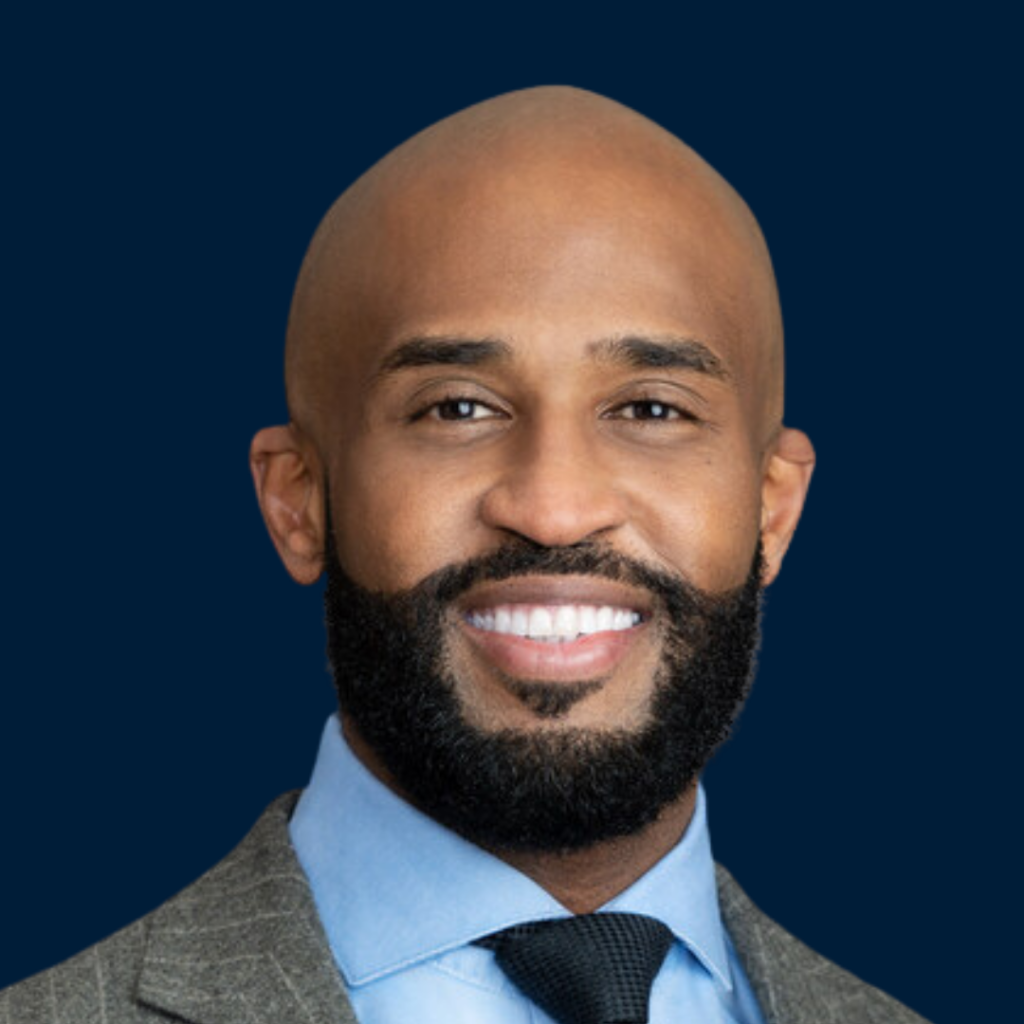 Carl KennedyPartner, Head of Commodities and Derivatives at Dechert
 Jeff Le RichePartner, Husch Blackwell
 Sudhir JainChief Compliance Officer & Head of Regulatory Affairs, Kalshi
 Robert LulgjurajDirector, Patomak Global Partners
4:05–4:45 PM
Fireside Chat: Promoting Market Transparency
Market transparency is a cornerstone of healthy and trusted prediction markets. This fireside chat explores how greater visibility into market activity, pricing, and participation can strengthen confidence, improve forecasting accuracy, and attract broader adoption.
- How transparent markets improve price discovery, participant confidence, and overall market efficiency.
- Balancing transparency with privacy, proprietary trading strategies, and commercial interests.
- Detecting and mitigating manipulation, misinformation, and coordinated trading activity.
- How blockchain and AI-powered surveillance are reshaping market oversight and accountability.
 Adam MeshCEO, AdamMeshLive.com
 Tom SosnoffCEO, Lossdog; founder, thinkorswim
4:50–5:30 PM
Where the Smart Money Is Moving: Investing in the Prediction Markets Ecosystem
Prediction markets have evolved from a niche concept into one of the most compelling investment opportunities at the intersection of fintech, gaming, AI, crypto, and capital markets. This panel explores where cash is flowing and which business models are gaining traction.
- Following the Capital: Where investors are placing bets across platforms, infrastructure, data and analytics, market-making, and adjacent technologies.
- What Makes a Winning Investment: The metrics, competitive advantages, regulatory considerations, and management qualities investors evaluate.
- The Expanding Ecosystem: Why financial institutions, gaming companies, crypto firms, exchanges, and technology leaders are entering the space.
- What’s Next: Which segments offer the greatest upside, what gaps remain, and where the next opportunities lie.
 Joe GreenVP, Business Strategy, Cboe
 Jackson GutenplanMarket Structure Research Analyst, Bloomberg
 Yvette ValdezPartner, Latham & Watkins
 Jay MalaviaCo-Founder and CEO, Kairos
5:35–6:15 PM
How Are Clearing Firms Evolving to Serve Prediction Markets?
 Darwin ArifinCPO, Wedbush
 ModeratorBob FitzsimmonsExecutive Vice President, Co-Head of Multi-Asset Clearing and Prime Services, Wedbush
 Springer HarrisCEO, LeagueShares
 Dean SisunCofounder and CEO, ProphetX
DAY 2
Wednesday, October 7
7:30–8:30 AM
Breakfast
8:30–8:35 AM
Welcome & Opening Remarks
8:35–9:15 AM
Why Wall Street Is Paying Attention: Understanding the Massive Opportunity
Prediction markets provide a new source of real-time intelligence, offering traders and investors market-based probabilities that complement traditional research and economic indicators. This panel explores why Wall Street firms are increasingly monitoring prediction markets—and how these markets could reshape investing, risk management, and financial decision-making.
- A New Signal for Investors: Actionable insights on elections, policy, macroeconomics, corporate events, and geopolitical risk.
- From Alternative Data to Alpha: How asset managers and quants are incorporating prediction market data into trading strategies.
- Institutional Adoption, Hype or Long-Term Trend? Which institutions benefit most, and what barriers remain.
- The Future of Financial Markets: Why prediction markets may become a standard tool alongside equities, options, and futures.
 ModeratorAlex GheorgheInvestor, Illuminate Financial
 Joaquin GubbSVP, Head of Securities Legal, Crypto.com
 Michael JamesHead of Institutional at Douro Labs, Pyth Network
 Oscar LevyCo-Founder & CEO, River Markets
 Matt TrudeauPresident & Co-Founder, Rothera
 Gil WassermannHead of Prediction Markets, Galaxy Digital
9:20–10:00 AM
Building the Next Generation of Derivatives
As prediction markets mature, the next wave of innovation will come from sophisticated financial instruments that enable participants to hedge risk, enhance liquidity, and create entirely new trading strategies. This panel explores how structured products could transform prediction markets from standalone contracts into a fully developed financial ecosystem.
- Designing New Risk Management Tools: What options, futures, swaps, and structured products could emerge around prediction market contracts?
- Unlocking Institutional Participation: How derivatives could make prediction markets more attractive to market-makers and asset managers.
- Liquidity, Pricing & Market Efficiency: Will derivative products deepen liquidity, improve price discovery, or introduce complexity?
- Regulatory & Infrastructure Challenges: What legal, clearing, custody, and exchange frameworks must evolve?
 Dorothy D. DeWittFounder & CEO, Tölt Strategies
 Gary KalbaughPartner, Cahill Gordon
 Daniel KaufmanFounder, Kinetic Alpha
 Deborah NorthPartner, Cleary Gottlieb
 Felix TabaryCo-Founder/CEO, Herisson
10:05–10:45 AM
Decision Markets: How Conditional Prediction Markets Could Remake the World
Decision markets move beyond forecasting outcomes to evaluating the likely consequences of specific actions before they are taken. By using conditional markets to compare alternative decisions, organizations, governments, and investors can generate real-time, market-based intelligence on which choices are most likely to produce desired results.
- Applications across government, corporations, healthcare, defense, and capital allocation decisions.
- The challenges ahead: liquidity, incentives, manipulation risks, data quality, and organizational adoption.
- How AI, large-scale data, and decentralized infrastructure could accelerate decision markets.
- Whether decision markets can outperform traditional forecasting methods, expert panels, consultants, and internal planning.
 Dr. Robin HansonEconomics Professor & prediction markets expert, George Mason University
10:45–11:15 AM
Networking Break
11:15–11:55 AM
Protecting the Market: Integrity, Surveillance & Trust in Prediction Markets
Prediction markets depend on confidence in fair, transparent, and orderly trading. As the industry grows, platforms must be prepared to detect manipulation, prevent fraud, respond to controversies, and maintain user trust. This panel examines the policies and governance practices that help ensure market integrity while preserving open and efficient markets.
- Detecting Manipulation & Abuse: Identifying wash trading, coordinated manipulation, insider activity, bots, and other threats.
- Technology for Market Surveillance: AI, blockchain analytics, behavioral monitoring, real-time surveillance, and automated compliance.
- Responding to Market Controversies: Best practices for disputed outcomes, suspicious activity, reputational crises, and high-profile incidents.
- Building Trust at Scale: Governance, independent audits, dispute resolution, certification, and collaboration.
 Spiro AntonopoulosVice President of Global Advisory and Investigations, Solidus Labs
 Dan BerkovitzVice Chairman, External & Regulatory Affairs, Millennium
 Lisa Balter SaacksPresident, Trillium Surveyor
 Scott SadinCo-Founder & Co-CEO, IC360
 Tony SioHead of Regulatory Strategy & Innovation, Nasdaq
12:00–12:20 PM
Solving the Capital Constraints for Institutional Traders in Prediction Markets
 Charles GasparinoSenior Correspondent, Fox Business News
 Seni ThomasCEO & Founder, EDGE
12:30–1:30 PM
Lunch
1:30–2:10 PM
Beyond Sports Betting: How Prediction Markets Are Reshaping Gaming
Gaming represents the majority of activity in today’s prediction markets, driving innovation in product design and user engagement. This panel examines how prediction markets are converging with sports betting and online gaming, and what that means for platform operators.
- Prediction Markets vs. Sportsbooks: Where products overlap, where they differ, and how each appeals to users.
- What the Data Tells Us: Using trading activity and market behavior to identify emerging opportunities and growth trends.
- Liquidity, Pricing & Market Efficiency: Analyzing spreads, depth, price discovery, and liquidity providers.
- Growth, Competition & Regulation: How gaming companies are positioning themselves as prediction markets grow.
Charles GasparinoModerator; Fox Business News Jordan BenderManaging Director, Equity Research, Citizens
 Tom JohnsonFounder & CEO, HoldCrunch
 Dr. Laila MintasCEO & Founder, 365Prediction
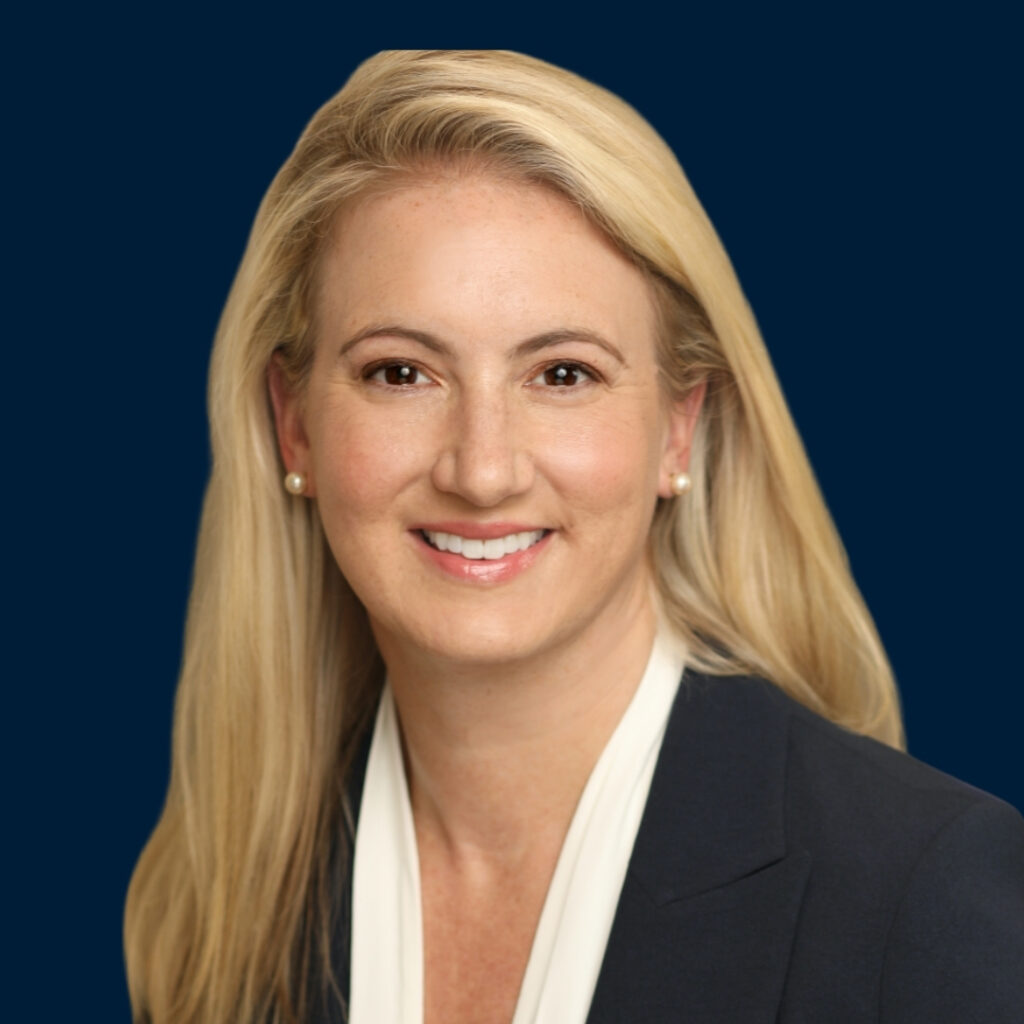 Jeanine Hightower-SellittoSVP/GM, DraftKings Predictions
2:15–2:55 PM
Wall Street Meets Prediction Markets: The Next Frontier for Risk Management
Prediction markets are attracting growing interest from investment banks, market-makers, and institutional investors as a new asset class and source of market intelligence. This panel explores how event-based markets could evolve into sophisticated financial instruments, creating opportunities for hedging, liquidity, risk transfer, and institutional participation.
- What makes prediction markets compelling to banks, proprietary trading firms, market-makers, and asset managers.
- From Event Contracts to Financial Products: New derivatives, structured products, and hedging strategies tied to political, economic, and corporate events.
- Market Making, Liquidity & Price Discovery: How professional trading firms can tighten spreads and deepen liquidity.
- The Institutional Opportunity: What must happen—from regulation and clearing to custody and compliance—for mainstream adoption.
 ModeratorIvor WolkPartner, Manatt Financial Services
 Ric BestHead of Prediction Markets, Susquehanna
 Lloyd DanzigManaging Partner, Sharp Alpha
 Filippo LecchiniCEO, Phillip Capital
 Kevin McPartlandHead of Research, Crisil Coalition Greenwich
3:00–3:30 PM
Networking Break
3:30–4:10 PM
Navigating the Legal Landscape: Enforcement & the Future of Prediction Markets
Prediction markets are expanding rapidly, but the legal framework governing them continues to evolve. This panel examines today’s legal challenges, enforcement risks, and emerging legislation that could define the industry’s future.
- The Current Regulatory Framework: How federal and state laws apply to platforms and the distinction between event contracts, gaming, and financial products.
- Enforcement, Compliance & Legal Risk: Lessons from investigations, enforcement actions, and litigation.
- Legislative & Regulatory Developments: Bills, rulemaking, and policy proposals that could reshape licensing, market access, and consumer protections.
- Building a Sustainable Industry: Legal clarity, regulatory modernization, and best practices needed to foster innovation.
 Jesse GoodmanVP of Product, Legal Process Infrastructure, Kodex
 David I. MillerDirector of Enforcement, CFTC
 Jack MurphySenior Counsel, Akin Gump
 Carolyn PokornyModerator; Partner, Akerman
 Nick RoosChief of the Securities and Commodities Fraud Task Force, U.S. Attorney’s Office for the Southern District of New York
4:15–4:55 PM
On-Chain Forecasting: How Crypto Is Powering the Next Generation of Prediction Markets
Blockchain technology is transforming prediction markets by enabling decentralized platforms, tokenized incentives, transparent settlement, and global participation. This panel explores how crypto is reshaping market design, liquidity, and user experience while addressing the regulatory and technical challenges of operating on-chain.
- Decentralized Market Infrastructure: How smart contracts, protocols, and blockchain networks automate market creation, trading, and settlement.
- Liquidity, Incentives & Token Economics: The role of tokens, market-makers, and incentive mechanisms.
- Bridging Traditional Finance & DeFi: How centralized exchanges, stablecoins, digital wallets, and institutions are connecting the two.
- Compliance, Security & Scalability: Navigating expectations, protecting users, preventing manipulation, and overcoming technical hurdles.
 Neal KumarChief Legal Officer, Polymarket
 Renato MariottiPartner, Paul Hastings
 Jonathan SchmalfeldDirector of Policy, Digital Chamber
 Justin SlaughterVP, Regulatory Affairs, Paradigm